Industrial Valve Selection: What Buyers Should Confirm Before Requesting a Quote
Two ball valves can share a nominal size, pressure class and connection length while needing different installation space. In ZGV’s published NPS 2 Class 300 full-bore tables, the floating and trunnion-mounted entries both list L as 216 mm. Their H dimensions are 148 mm and 165 mm. A 17 mm difference can change a replacement decision.
An enquiry limited to “2 inch, Class 300” leaves those differences unresolved. The process duty, component materials, operating method and inspection scope belong beside the size. The following checklist uses published information from Zhejiang Zhonggong Valve Group Co., Ltd. (ZGV) to show what buyers should establish before comparing offers.
1. Define the job before choosing the valve family
Start with isolation, regulation or prevention of reverse flow. Those functions lead to different questions. A valve suitable for fully open or fully closed isolation is not automatically suitable for continuous throttling.
| Valve family | Typical starting duty | What the buyer should confirm |
|---|---|---|
| Ball | Line isolation | Seat compatibility, required bore and operating torque |
| Butterfly | Isolation or regulation with a suitable design | Seat construction, disc clearance and control conditions |
| Gate | Fully open or fully closed isolation | Open height, sealing arrangement and operator access |
| Globe | Regulation or isolation with suitable trim | Pressure loss, trim and the required stem travel and force |
| Check | Prevention of reverse flow | Flow range, approved orientation and closing behaviour |
A check valve does not replace a maintenance isolation valve. For regulating service, ask for sizing against the actual flow and pressure-drop cases rather than choosing from the family name alone.
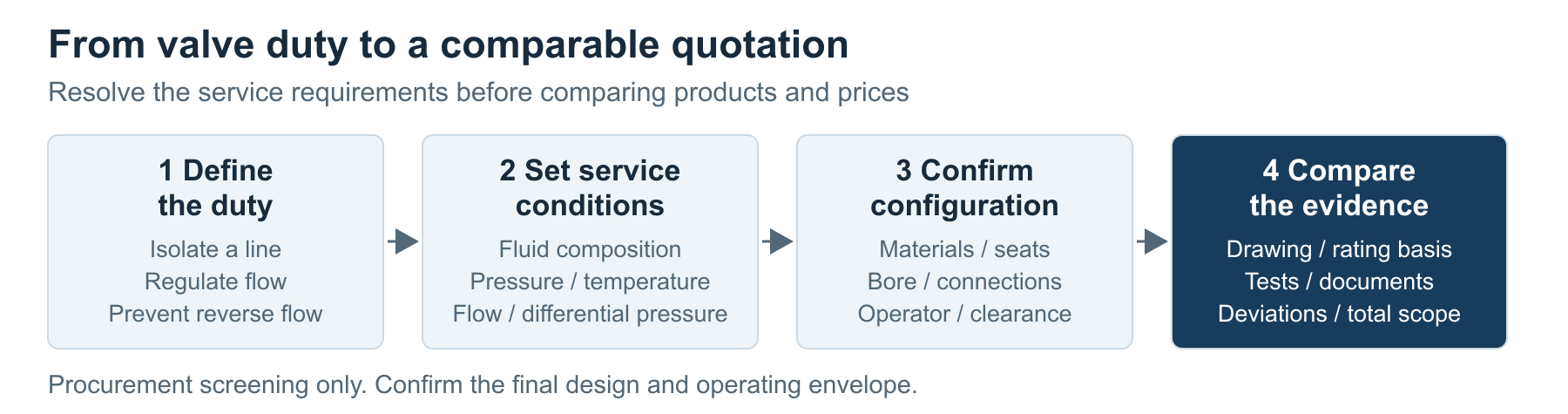
Figure 1. Establish the duty and conditions before requesting a configuration and quotation. Source: ZGV.
2. Give each bidder the same operating conditions
Identify the fluid, composition, solids and any cleaning medium. State operating and design pressure-temperature cases with units, including start-up and shutdown where relevant. Keep upstream pressure, downstream pressure and the differential pressure during movement distinct.
For regulation, include minimum, normal and maximum flow with the corresponding pressure drops. For isolation, identify shutoff requirements and cycling frequency. A check-valve enquiry also needs the minimum sustained flow and installation orientation.
Mark unavailable inputs as pending and assign an owner. A budget quotation can state provisional assumptions; those assumptions still need resolving before the final configuration is accepted.
3. Specify the complete construction and material schedule
Pressure class alone cannot choose floating or trunnion support. ZGV publishes floating full-bore size rows from NPS 1/2 to 8 for its Class 150/300 reference 2511, and from NPS 1/2 to 3 for Class 600/900 reference 2512. Its trunnion references 2514 and 2515 show full-bore rows from NPS 2 to 24 in their respective class tables. Class is a pressure-rating designation, rather than a direct value in psi or bar. The enquiry still needs confirmation of the offered configuration, availability and delivery.
Body material is only one line in the specification. Reference 2511 lists an ASTM A216 WCB body, 304 stainless-steel ball, ASTM A182 F6a stem and PTFE seat seal. The stainless ball therefore needs to be identified separately from the carbon-steel body.
The ZGV trunnion ball-valve material table lists WCB, CF8M and LCB bodies in separate material columns. A body-alloy change still requires a separate check of the seats, packing, gaskets and other exposed components. Ask each supplier to identify the complete offered build and any substitution.
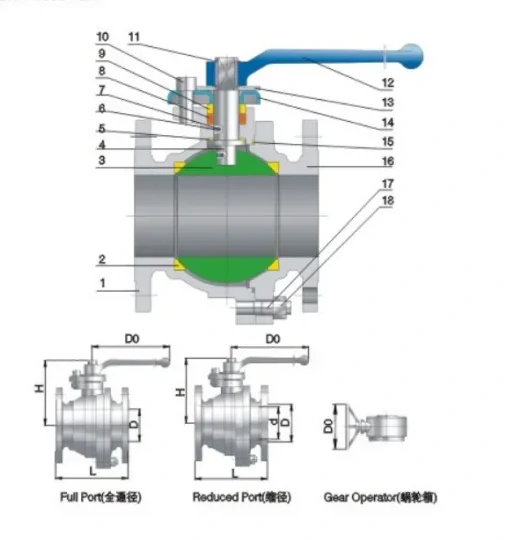
Figure 2. Original catalogue views for ZGV reference 2511. Use an agreed assembly drawing to approve installation fit.
4. Check dimensions against the offered assembly
The following selected NPS 2 full-bore entries illustrate why connection length and clearance need separate checks.
| Class | L for both entries, mm | Floating H, mm | Trunnion H, mm |
|---|---|---|---|
| 150 | 178 | 142 | 165 |
| 300 | 216 | 148 | 165 |
| 600 | 292 | 151 | 176 |
| 900 | 368 | 178 | 192 |
Source: published ZGV references 2511, 2512, 2514 and 2515. L and H retain the source-drawing labels. H is not the complete assembly height. The listed operator arrangements differ; these rows compare catalogue configurations, not the isolated effect of ball support.
Review the final operator, lever sweep, maintenance envelope and lifting access on the offered drawing. A matching connection length does not settle flange facing, pipe bore or space around the operator.
5. Separate certificates from order acceptance
A management-system certificate, a product type-test certificate and a shipment inspection record answer different questions. Request the documents required by the project and ask how their scope connects to the offered manufacturer, engineering model, materials, size and configuration.
Also state the applicable standards and editions, leakage acceptance, material records and any inspection or witnessing requirements. Keep each certificate attached to the configuration and requirement it supports.
6. Build an RFQ that makes quotations comparable
| RFQ section | Buyer provides | Supplier returns |
|---|---|---|
| Duty and identity | Tag, function, quantity and service cases | Proposed engineering model and construction |
| Operating data | Fluid, flow, pressure, temperature and differential pressure | Limits, sizing basis and stated assumptions |
| Mechanical build | Size, class, bore, connections, materials and space constraints | Component schedule and dimensional drawing |
| Operation | Manual or powered duty, available utilities and failure actions | Operator sizing, accessories and assembly drawing |
| Inspection | Standards, records, acceptance and witnessing | Included documents and inspection plan |
| Commercial scope | Required date, delivery basis and pricing scope | Itemised price, exclusions, validity and delivery trigger |
For a powered assembly, define the required response to loss of air, electrical power and control signal separately. A pneumatic selection needs the minimum available supply while moving, as well as the relevant maximum-supply mechanical-load check. “Fail safe” needs a specified event and resulting valve state.
Compare price only after the offered scope is clear. A lever-operated valve with standard inspection and an automated package with witnessed testing are different purchases. Record each deviation or unanswered requirement with the evidence needed and a person responsible for resolving it.
For a practical starting point, use ZGV’s editable valve RFQ workbook, which includes a separate three-supplier comparison sheet. The complete ZGV industrial valve selection guide provides the linked catalogue references, further material comparisons and enquiry route.
Catalogue data reviewed on 17 October 2026. Website reference numbers identify published entries, not the final engineering model. Confirm the current drawing, complete pressure-temperature limits, available performance data and commercial terms for the offered configuration.